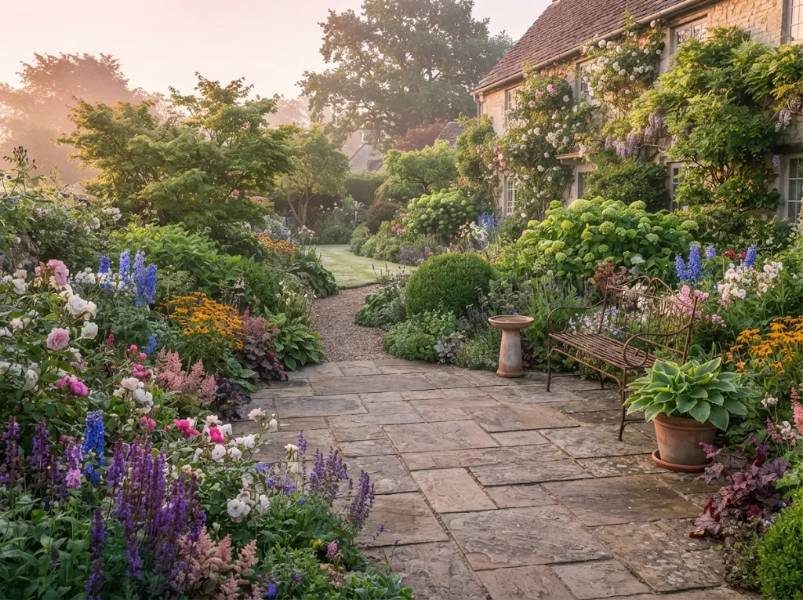
A beautiful garden does not begin with a shopping trip. It begins with observation. Plants succeed when they match the conditions of the place where they grow, and a little planning prevents wasted money and dead leaves. These steps will help you choose plants that thrive.
Watch your yard for a week
Note where the sun falls in the morning, at noon and in the evening. Mark wet spots, windy corners and shaded areas on a simple sketch.
Every yard has several small climates, and each one suits different plants.
Know your soil
Soil can be sandy, clay or loam, acidic or alkaline. Each type holds water and nutrients differently, which affects root growth.
A simple test kit from a garden center or a local extension office gives clear results for a small fee.
Find your climate zone
Hardiness zones show the lowest winter temperatures a plant can survive. Check the zone for your area before buying perennials, shrubs or trees.
The USDA Plant Hardiness Zone Map is a widely used reference for gardeners in the United States.
Match plants to light
Full sun plants need six or more hours of direct light, while shade plants prefer filtered light. Putting a sun lover in a dark corner leads to weak growth.
Read the label carefully and buy for the spot you have, not the spot you wish you had.
Consider native species
Plants native to your region are adapted to local rain, soil and insects. They usually need less water and fertilizer once established.
They also feed local bees, butterflies and birds, which makes the garden more alive.
Plan for mature size
A small shrub in a pot may grow into a large bush in five years. Check the final height and width and leave enough room.
Crowded plants compete for light and air and become prone to disease.
Think in layers
Combine tall trees, medium shrubs, low perennials and ground covers. Layers give depth and keep soil covered.
Bulbs between perennials add early color before other plants wake up.
Choose for all four seasons
Pick plants that flower at different times, plus evergreens and grasses that look good in winter. A garden should have interest all year.
Seed heads and bark add structure when blooms are gone.
Group by water needs
Plants with similar thirst should share a bed. This lets you water efficiently without drowning some and starving others.
Drought tolerant plants can form a low maintenance zone far from the hose.
Prepare the soil first
Loosen compacted ground and mix in compost before planting. Good soil is the best investment you can make.
Avoid working wet clay, which can turn hard like brick.
Plant at the right time
Spring and autumn are best for most plants because roots grow while air is mild. Summer planting needs extra watering.
Water deeply after planting and add mulch to hold moisture.
Use mulch wisely
A layer of two to three inches suppresses weeds and protects roots. Keep it away from stems and trunks to prevent rot.
Wood chips, bark and leaf mold all work well.
Water deeply, not often
Deep watering encourages roots to grow downward and makes plants more resilient. Shallow, frequent watering keeps roots near the surface.
Water in the morning to reduce evaporation and fungal problems.
Feed gently
Many established plants need little fertilizer if soil is rich. Too much nitrogen creates soft growth that attracts pests.
Annual compost is often enough.
Learn from gardeners abroad
Garden books and websites from other countries offer fresh ideas, particularly from Germany, where garden design has a long tradition. Reading them may require care with plant names and measurements.
A German translation services provider can help nurseries and landscapers adapt catalogs, guides and signs for customers.
Understand plant names
Common names vary by region, but Latin names are shared. Use them when comparing plants or ordering from foreign suppliers.
Our guide to German to English translation shows why technical terms need careful handling in any specialist text.
Control pests naturally
Healthy plants resist pests better. Encourage ladybugs, birds and other helpers by avoiding broad spectrum sprays.
Remove problem leaves by hand and rotate plantings when possible.
Prune with purpose
Prune to remove dead wood, improve shape and encourage flowers. Timing matters, since some shrubs bloom on old wood.
Use clean, sharp tools to make clean cuts.
Keep a garden journal
Write down what you planted, where and when. Add notes about weather and results.
After a year, you will know what works and what to replace.
Start small and expand
Begin with one bed and learn its needs. Success builds confidence and budget for the next step.
Gardening is a long conversation with nature rather than a quick project.
Enjoy the process
Plants grow at their own speed, and patience is part of the pleasure. Spend time simply sitting in the yard.
The right plants in the right places reward you for years.
Share the harvest
Extra cuttings, seeds and divisions make great gifts for neighbors. Local plant swaps are fun and free.