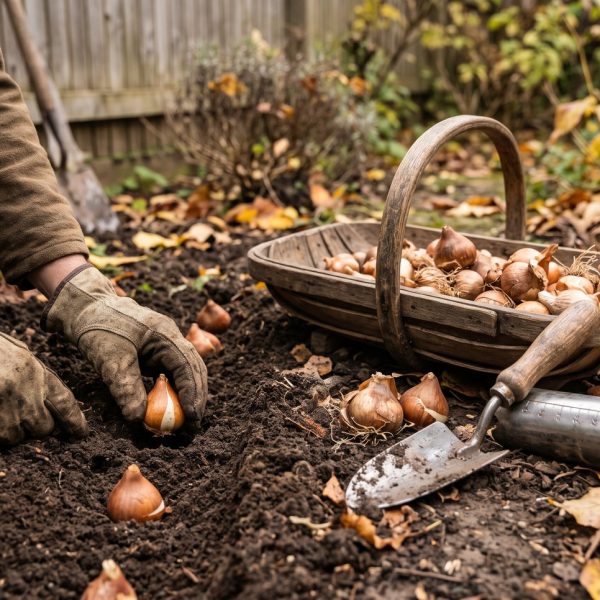
When to plant tulip bulbs is one of the most common questions gardeners ask each autumn, and the answer is simpler than many expect: plant them once the soil has cooled, usually after the first light frosts and several weeks before the ground freezes. In most temperate gardens that means October and November, and in milder regions even early December. Get the timing right, choose healthy bulbs and plant them at the proper depth, and you will be rewarded with a burst of color just as spring arrives.
When to Plant Tulip Bulbs for the Best Spring Display
Tulips need a long, cold period underground to trigger flowering. Planting too early, while the soil is still warm, can encourage premature growth and leave bulbs vulnerable to fungal disease, especially the tulip fire that thrives in mild, damp conditions. A good rule of thumb is to wait until night temperatures settle consistently between about 4 and 10°C (40 to 50°F). For many gardeners in northern Europe and much of North America, mid to late autumn is ideal.
In warm climates without reliable winter chill, gardeners often pre-chill tulip bulbs in a refrigerator for eight to twelve weeks before planting, keeping them away from ripening fruit, which releases ethylene that can damage the flower buds.
Choosing Healthy Bulbs
A good display starts at purchase. Choose bulbs that feel firm and heavy for their size, with intact papery skins and no soft spots, mold or deep cuts. Larger bulbs generally produce bigger flowers. Buy from a reputable supplier and plant soon after the bulbs arrive; if you must wait, store them in a cool, dry, airy place.
The botanical history of the tulip is a fascinating read in its own right, from its wild origins in Central Asia to the seventeenth-century Dutch craze that made single bulbs worth more than a house. The Netherlands still dominates the global bulb trade today, and many of the best catalogs and growers' guides come from Dutch nurseries. If you ever order directly from one, a little background on the languages spoken in the Netherlands may help you make sense of the variety names and planting notes.
How to Plant Tulips Step by Step
Pick a sunny spot with well-drained soil. Tulips hate sitting in wet ground, so improve heavy clay with grit or compost, or plant in raised beds. Dig holes about three times as deep as the bulb is tall, which for most tulips means 15 to 20 centimeters (6 to 8 inches). Deep planting helps bulbs stay cool, flower reliably and return in later years.
Set each bulb with the pointed end up, spacing them roughly two bulb widths apart. For a natural look, plant in loose groups of seven, nine or more rather than straight rows. Backfill, firm the soil gently and water once to settle everything. After that, autumn rain usually provides all the moisture they need.
Planting Tulip Bulbs in Pots
Containers are a great option for small gardens, balconies and patios. The timing for tulip bulbs in pots is the same as in the ground, but use a free-draining compost and a pot with drainage holes. You can plant bulbs closer together, almost touching, for a dense display. In very cold regions, move pots against a sheltered wall or wrap them in fleece, since roots in containers are more exposed to hard frost.
Try a bulb lasagna for a long show: plant late tulips at the bottom, daffodils in the middle and small bulbs such as crocus or grape hyacinth on top. Each layer flowers in turn from late winter to late spring.
Other Bulbs to Plant in Fall
While you are planting tulips, it is worth adding a few other bulbs to plant in fall. Daffodils are reliable, deer and rodent resistant, and come back year after year with little care. Planting daffodil bulbs follows the same method as tulips, although they can go in a little earlier, from late summer onwards. Crocus, snowdrops, alliums, grape hyacinths and fritillaries all add variety in color, height and flowering time.
Spring bulbs also matter for wildlife. Early flowers give bees and other pollinators a vital source of food after winter, and mixed plantings support far more insect life than a tidy lawn. The same principle applies on a much larger scale, as this look at agricultural biodiversity in working landscapes shows.
Protecting Bulbs Through Winter
Squirrels, mice and voles love freshly planted bulbs. Lay chicken wire over the planting area for a few weeks, or plant in mesh baskets, until the soil settles and the scent fades. A light mulch of leaf mold or bark helps regulate soil temperature in very cold or very changeable winters. Other gardeners can be a great source of local advice, and communities such as r/gardening on Reddit are full of practical tips on pests and regional planting dates.
After Flowering
Once the blooms fade, snap off the seed heads but leave the foliage until it turns yellow. The leaves feed the bulb for next year. Many modern hybrid tulips flower best in their first season, so treat them as annuals in containers, or choose species tulips and Darwin hybrids, which are more likely to return reliably in the border.
A few hours of planting on a cool autumn afternoon is one of the best investments a gardener can make. Choose the right moment, plant deep and plan for a mix of flowers, and your yard will greet the first warm days of spring in full color.